Italy is a dream destination for road trips, but for many it becomes a bureaucratic nightmare months after returning home. The Italian enforcement system is one of the most advanced and automated in the world. The cameras are not inferior for a moment, and the fines? They add up quickly.
If you are planning to drive in Italy during 2026, this guide is your financial insurance certificate.
🛑 What is ZTL anyway? (Limited Traffic Zone)
The ZTL (Zona a Traffico Limitato) is a “Limited Traffic Zone.” Almost every Italian city that respects its history has closed the old center (Centro Storico) to non-local vehicles.
How not to fall into the trap?
Traffic sign: Look for a red circle on a white background with the words “Zona Traffico Limitato”.
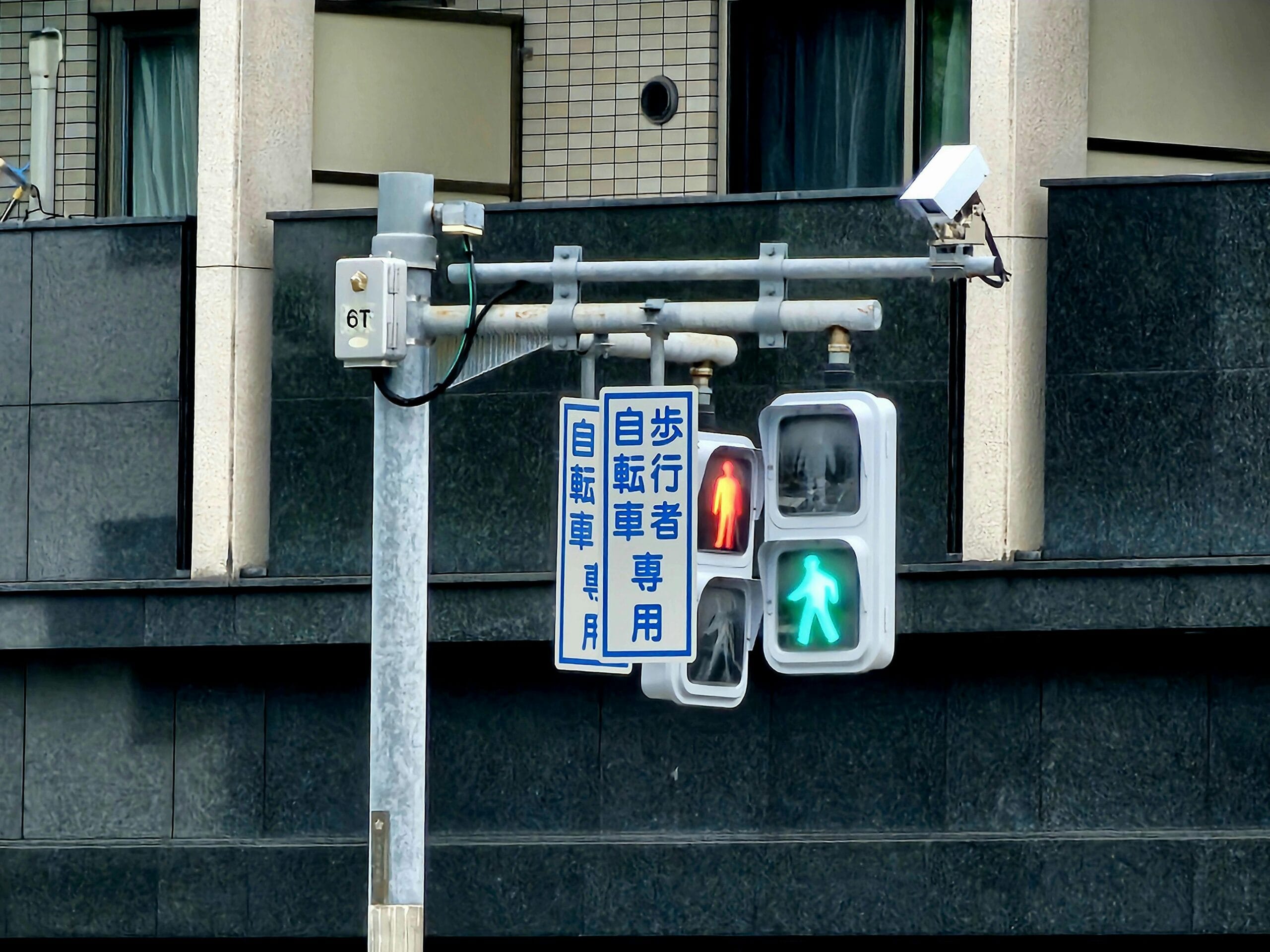
Traffic lights: Above the cameras you will sometimes see an electronic display:
Varco Attivo (red): The area is closed! Entry will result in an automatic fine.
Varco Non Attivo (green): Entry is temporarily permitted (rare in city centers).
The “double fine” system: The cameras are located at both the entrance and exit. Did you enter and exit by mistake? You will receive two separate fines.
❄️ Winter in Italy: Winter Tires or Chains Law
Between November 15th and April 15th, Italian law requires all vehicles traveling in certain regions (Northern Italy, mountainous Tuscany, and Umbria) to be equipped for driving in snow.
Requirement: Winter tires (M+S) or snow chains in the trunk.
Fine: Ranging from $85 to $338 euros. If a police officer stops you on a snowy day without equipment, they may impound your vehicle on the spot.
SecreTrip Tip: When renting a car, make sure the contract states “Winter Equipment” or “M+S Tires.” Don’t assume it comes automatically.
List of cities with aggressive enforcement (updated 2026):
Italy is divided into regions, and within each region there are dozens of cities with ZTL. Here is the most comprehensive summary of the most problematic areas:
A. Northern Italy
Milan: Divided into Area C (historical center, mandatory fee) and Area B (old diesel vehicles banned, almost the entire city).
Verona: The entire area around the Arena and Piazza Bra.
Bolzano: The city center is hermetically sealed, cameras on every corner.
Bergamo: The entire Città Alta (Upper City) is one big ZTL.
Turin: An environmental ZTL (Ambientale) that changes depending on the air pollution that day.
B. Central Italy
Florence: The most dangerous city in terms of fines. The entire historic core (A, B, O) is photographed.
Pisa: The area around the Leaning Tower of Pisa is a trap – tourists enter to look for nearby parking and get a ticket.
Siena: One of the first cities in Italy to introduce ZTL. The entire center within the walls is off limits.
Lucca: Everything within the historic walls.
Rome: Divided into a ZTL day and a ZTL night (Trastevere, San Lorenzo).
C. Southern Italy
Naples: Centro Antico and Lungomare.
Palermo (Sicily): A relatively new ZTL system covering the entire central thoroughfare (Via Roma and Via Maqueda).
Amalfi Coast: There is no regular ZTL here, but an odd/even license plate rule (in summer). One day an even number plate is allowed, the next day an odd number plate.
LTZ Italy Widget
⚠️ Warning for Drivers in Italy
Fines in LTZ zones: €80–€500+ | Data updated every week
💾 Cached data | Last updated: –
0
LTZ Zones
0
Cameras
0
Cities
0
Restrictions
🗺️
Welcome
Click “All Italy” or search for a specific city
💳 Toll Roads: The Forbidden Telepass Lane
At the entrance to the motorway you take a ticket, at the exit you pay. Serious warning: never enter the lane marked in yellow with a Telepass sign. This lane is for a local electronic device. If you enter there by mistake, do not try to reverse (it is dangerous and incurs a huge fine). Press the red call button and ask for help. You will receive a payment slip (Rapporto di mancato pagamento) which you must pay within 15 days on the website.
Italy Toll Roads Map
🛣️ Italy Toll Roads Map
All motorways (Autostrade) with prices and routes
📋 Toll Roads
38
Roads
6,000+
km
Color Legend:
North–South
East–West
Circular
Regional
Select a road
I received a report in Italy by mail or from the rental company – what do I do?
It’s the moment every traveler dreads: months after you return from your magical vacation in Tuscany, a registered letter arrives from Italy or a surprise charge from the rental company. It’s important to understand that there are two separate stages here:
The rental company charge: The rental company does not pay the fine for you. It charges an “Administrative Fee” for passing on your details to the Italian police. This is a legal charge that appears in the rental contract, and it does not exempt you from paying the fine itself that will come later.
The official report: The report itself (the Verbale) will be sent to you by registered mail from the local authority in Italy (Polizia Municipale). According to Italian law, the authorities have up to 360 days to send the notice to foreign residents from the moment the offence was committed.
Is it mandatory to pay traffic fines from Italy?
This is the million dollar question. The simple answer is: Yes, it is highly recommended to pay. Here are the reasons why:
Interest Accumulation: A fine not paid on time will quickly increase. The amount can double in a matter of months.
International Collection Companies: The Italian authorities work with European (and sometimes Israeli) collection companies that specialize in enforcing fines abroad. They will track you down and the demand for payment will be significantly higher than the original fine.
Problems with renting a car in the future: Failure to pay may put you on a “blacklist” of rental companies, which will prevent you from renting a car in Europe in the future.
Cash Discount: Italian law grants a 30% discount to those who pay the fine within 5 days of receiving the official notice.
How do you pay an Italian traffic ticket online?
Today the process is much simpler than before. Don’t try to send complicated checks or wire transfers unless you’re specifically asked to.
Finding the report code: On the letter you will find a report number (Verbale Number) and an authentication code (Auth Code).
Accessing the payment portal: Each large municipality (Florence, Rome, Milan) has a dedicated website. Look for the PagoPA logo – this is the secure Italian government system for payments to authorities.
Using dedicated apps: Websites like Safety21 or Baby-Pay are used by many municipalities in Italy to collect from foreign travelers. The exact address will always appear on the letter you received.
International credit card: Payment is made by credit card. At the end of the process, be sure to save the payment confirmation (PDF) in case you receive a duplicate demand in the future.
Vlogger tip: If you received a report for entering a ZTL zone while on your way to a hotel located within the zone, contact the hotel! Sometimes the hotel can update your vehicle number in the municipal system retrospectively and cancel the report, provided you do so close to the date of the incident.
🏁 Summary: Smart Driving in Italy
To return with only good memories:
Parking: Always park in designated parking lots outside the historic centers (look for the big P).
Lights: In Italy, traffic lights are mandatory on intercity roads 24 hours a day.
Alcohol: The legal blood alcohol level is very low ($0.5 mg). Just don’t drink and drive.
Planning a trip to Northern Italy or Tuscany? Don’t forget to check your insurance and make sure it includes a deductible waiver – in Italy, it’s a must for peace of mind.
💡 Critical Questions and Answers (FAQ) – ZTL italy guide
Can the hotel cancel my ZTL fine?
Yes, but only if the hotel is located within the area. You must make sure that the hotel has entered your vehicle number into the city system on the day of arrival. Keep the email from the hotel as proof.
The rental company charged me $45 euros, is that the fine?
No! This is an “Administrative Fee” that the rental company only charges for sending your details to the police. The actual fine will arrive by registered mail from the Italian police months later.
What happens if you don’t pay the fine?
The fine is transferred to an international collection company, the amount is inflated, and the next time you try to rent a car in Europe or enter Italy, you may encounter serious problems and refusal of service.
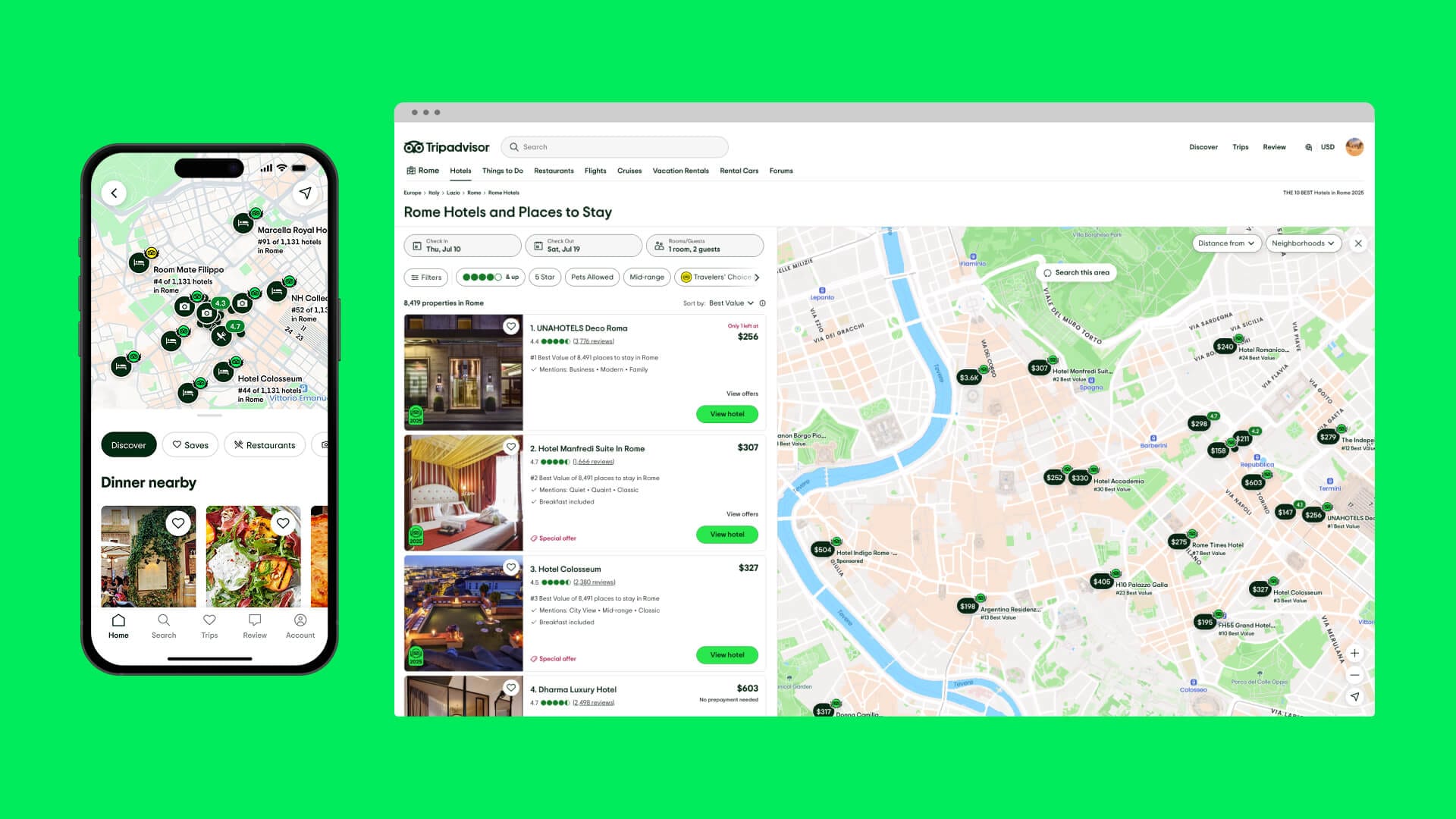
In an era where any traveler can book a flight or hotel in three clicks on major OTA (Online Travel Agency) websites, the biggest question on every professional travel agent’s mind is: How do I stay relevant? How do you…
Dive into the ultimate 2026 guide to booking your dream cruise. Discover the differences between ocean and river sailings, unlock insider tips for saving money, and learn how to find the perfect ocean getaway with SecreTrip.
Stop wasting hours searching individual airline websites. Our comprehensive Seats.aero guide reveals the insider strategies you need to find and book premium award flights using your points in mere seconds.
Stop paying standard rates for your hotel rooms. Our comprehensive Agoda complete guide reveals the hidden features, mobile-exclusive discounts, and VIP loyalty secrets you need to unlock massive savings on accommodations worldwide.
Stop overpaying for your vacations. Our ultimate Expedia complete guide reveals exactly how to navigate the platform, bundle flights and hotels for massive discounts, and leverage the unified OneKey rewards program to travel like a VIP.



Leave a Comment