Train travel has long evolved beyond a simple way to get from point A to point B—it is an experience in its own right. Whether it’s Europe’s high-speed bullet trains crossing borders in two hours or Asia’s nostalgic overnight sleepers offering an authentic adventure, proper planning can upgrade your journey and save you significant time and money.
But how does train pricing work? When is the best time to book, and what is the real difference between travel classes? We’ve gathered all the professional insights you need before you step onto the platform.
Types of Trains Around the World
High-Speed Trains (The Stars of Europe)
These are the icons of the European rail network, reaching speeds of 250–350 km/h. They often compete with flights when factoring in airport transfers and security checks.
- TGV (France): One of the fastest in Europe, connecting Paris to Lyon in 2 hours and Marseille in 3. First Class includes wide seats and at-seat meal service.
- Eurostar: Connecting London to Paris (2h 16m) and Brussels via the Channel Tunnel. Pro Tip: You must pass passport control and security similar to an airport; arrive at least 45 minutes early. Tickets open up to 330 days in advance.
- ICE (Germany): Known for onboard Wi-Fi and comfortable business seating. Berlin to Frankfurt takes approximately 4 hours.
- Frecciarossa (Italy): The “Red Arrow.” Connects Rome to Florence in 1.5 hours and Milan in 3. Offers four classes: Standard, Premium, Business, and Executive (which includes high-end meals and workspaces).
- AVE (Spain): Boasts the longest high-speed network in Europe. Madrid to Barcelona is a swift 2.5-hour journey.
Regional Trains
The “workhorses” of domestic travel. They are slower and stop at every station. Prices are usually fixed, so there’s no urgent need to book in advance. Important: In France and Italy, some regional paper tickets must be validated at a machine on the platform before boarding to avoid heavy fines.
Night Trains / Sleeper Trains
The “hottest” travel trend for 2024–2026. Night trains have made a massive comeback with modern cabins. The main advantage? You save on a hotel night and arrive at your destination refreshed in the morning.
Popular Routes:
- Nightjet (ÖBB – Austria): The largest provider in Europe, linking Vienna to Paris, Amsterdam, Venice, Rome, and Berlin. Offers Seats, Couchettes (4-6 people), and private Sleepers (often with sinks/showers).
- European Sleeper: A Dutch-Belgian startup with new lines: Brussels–Berlin–Prague and, as of 2025, Brussels–Venice.
- Caledonian Sleeper (UK): London to Scotland (Edinburgh, Highlands). Features high-end private cabins with showers.
- Santa Claus Express (Finland): Helsinki to Rovaniemi (Santa’s official home). You might even catch the Northern Lights from your cabin window.
Scenic Trains
Where the journey is the destination.
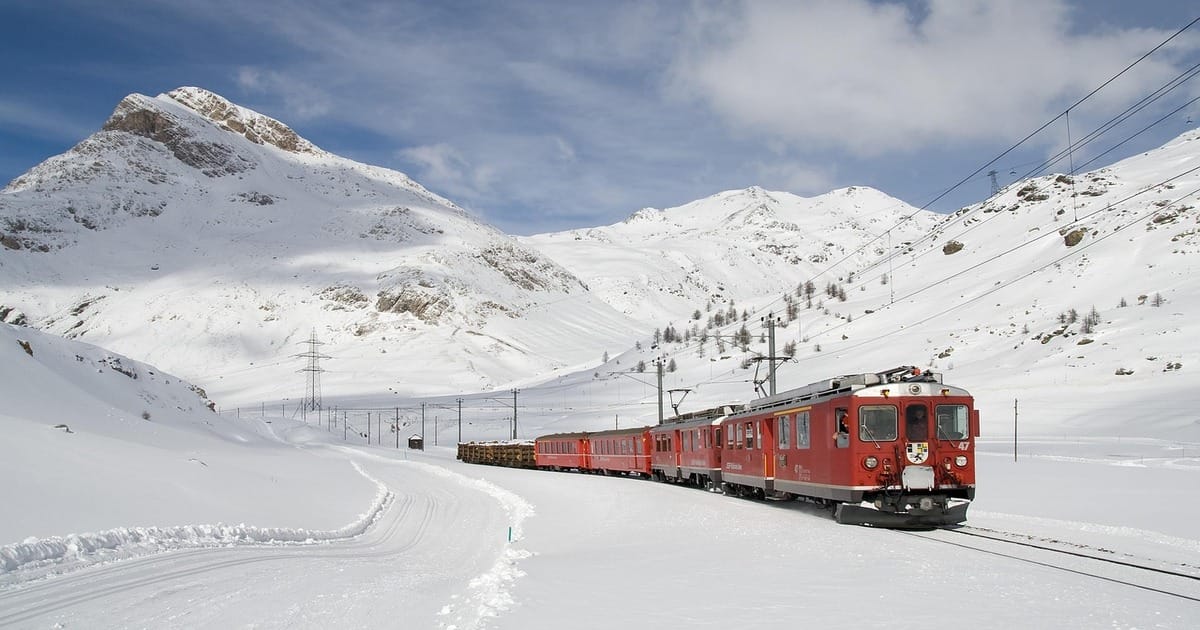
- Glacier Express (Switzerland): 8 hours between Zermatt and St. Moritz, crossing 291 bridges and 91 tunnels.
- Bernina Express (Switzerland–Italy): UNESCO World Heritage route crossing the Alps from Chur to Tirano.
- Flåm Railway (Norway): One of the steepest climbs, from the mountains down to the fjord.
- West Highland Line (Scotland): Features the Glenfinnan Viaduct (the Harry Potter bridge).
1. Golden Rules: When and Why to Book in Advance?
Dynamic Pricing
Like airlines, high-speed and intercity trains use dynamic pricing. The earlier you book, the cheaper the fare. A ticket booked 90 days out might cost €15, while the same ticket on the day of travel could be €80.
- Europe Booking Window: Usually 60 to 120 days before departure.
- Asia Booking Window: Often 30 to 90 days. For popular routes (like Thailand’s overnight trains), top-tier cabins sell out within hours of opening.
Travel Classes: Is First Class Worth It?
- Europe: Second Class (Standard) is usually very comfortable with power outlets and Wi-Fi. First Class adds wider seats, quieter cabins, and lounge access. It’s worth the 30%–60% extra for trips over 3 hours.
- Asia: More complex. Thailand offers private 1st class AC cabins (rare and sell out fast). India ranges from 1AC (private AC) to Sleeper (no AC). For international travelers, 2AC or 1AC is highly recommended for overnight comfort.
2. Point-to-Point vs. Rail Passes
- Point-to-Point Tickets: Best if you have a fixed itinerary, are taking only a few long trips, or are booking “Early Bird” rates well in advance.
- Rail Passes (e.g., Eurail): Best for spontaneous travel or trips in expensive rail countries like Switzerland or the UK. Note: Even with a Rail Pass, high-speed and night trains usually require a separate Seat Reservation fee.
3. Top Scenic and Iconic Routes
Europe: Speed and Alpine Beauty
- Glacier Express (Switzerland): “The slowest express train in the world.” 8 hours of cinematic Alpine views between Zermatt and St. Moritz.
- Bernina Express (Switzerland-Italy): A UNESCO World Heritage site crossing the Alps from Chur to Tirano.
- West Highland Line (Scotland): Glasgow to Mallaig. Crosses the Glenfinnan Viaduct, famous from the Harry Potter films.
Asia: Coastal Views and Culture
- Bangkok to Chiang Mai (Thailand): The most famous overnight journey in the country. Book 1st class 90 days early!
- Hanoi to Hoi An (Vietnam): A stunning coastal route along the South China Sea. Book a “Soft Sleeper AC” for maximum comfort.
- Delhi to Agra (India): The Gatimaan Express is India’s fastest train, reaching the Taj Mahal in just 2 hours—skipping the notorious road traffic.
4. Professional Tips for a Smooth Journey
- Exact Names: Enter names exactly as they appear in your passport. Staff often cross-reference tickets with IDs.
- Validation: If you have a physical paper ticket in Italy or France, you must time-stamp it in the platform machines before boarding.
- Offline Backup: Don’t rely on station Wi-Fi. Save a screenshot of your QR code or download the PDF ticket to your phone’s memory.
- Annual Schedule Changes: European schedules often update in June and December. If traveling during these months, the booking window might open later than usual.
Summary
Booking international train tickets through global systems has made trip planning easier and more transparent than ever. The secret to a successful journey is early planning, understanding dynamic pricing, and choosing the right class for your needs.
👉 Searching for train tickets for your next adventure? Visit SecreTrip. Have questions about booking? Ask us in the comments below!



Leave a Comment